Why Indian Retail Is Moving Beyond Digital Signage to Connected In-Store Experiences
by STRATACACHE Asia-Pacific Team
Why Indian Retail Is Moving Beyond Digital Signage to Connected In-Store Experiences
by STRATACACHE Asia-Pacific Team
Implementing retail digital signage remains an important factor in helping to increase customer engagement but it is now seen as only one part of a larger ecosystem. Retail digital signage should be able to work alongside mobile apps, loyalty or point-of-sale systems, real-time inventory data and even analytics. This makes the goal not only to display content and promotions, but be able to create a smarter, engaging and more responsive store environment that can support how consumers shop in an omnichannel retail setting.
The Shift From Screens To Systems
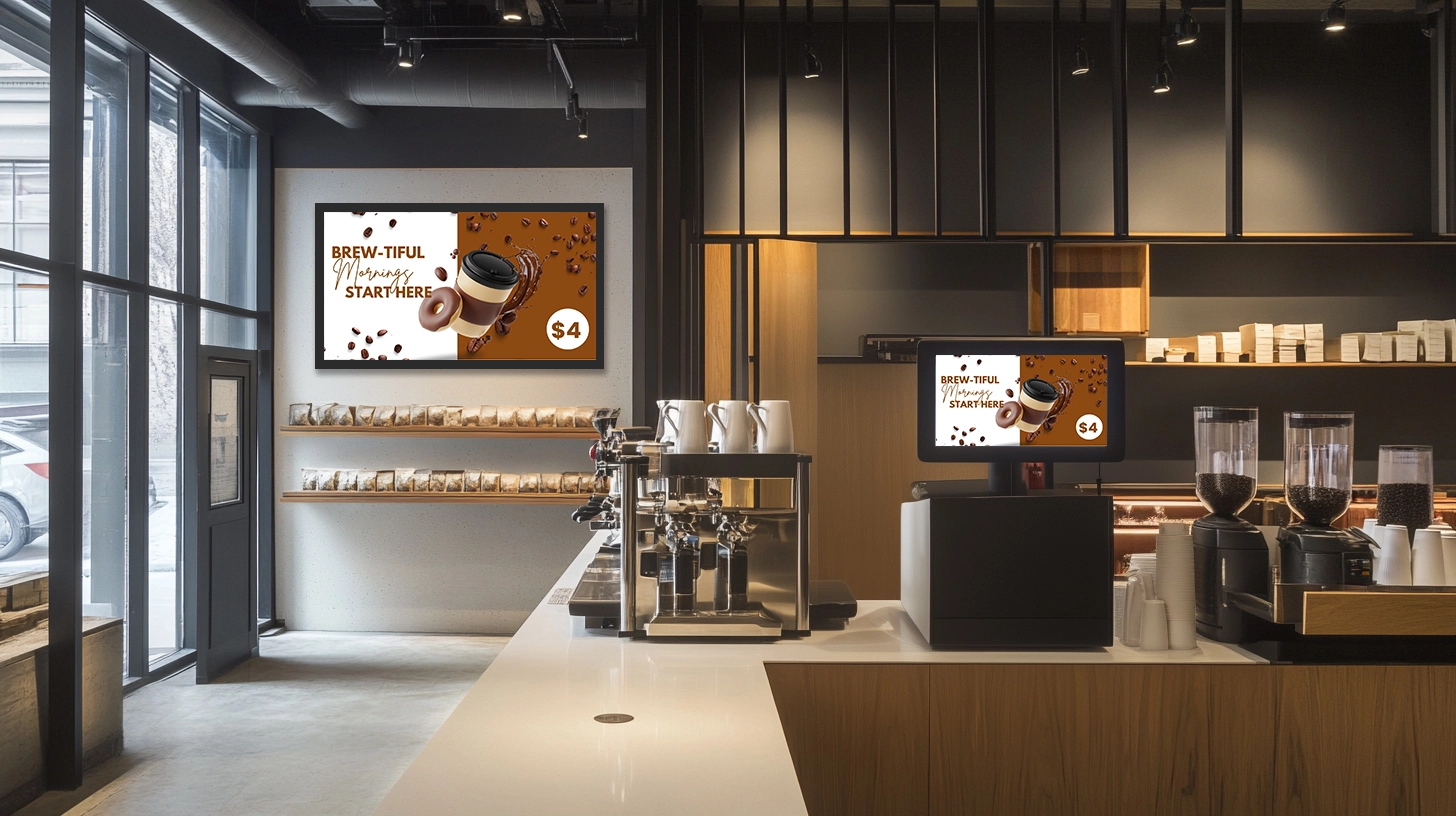
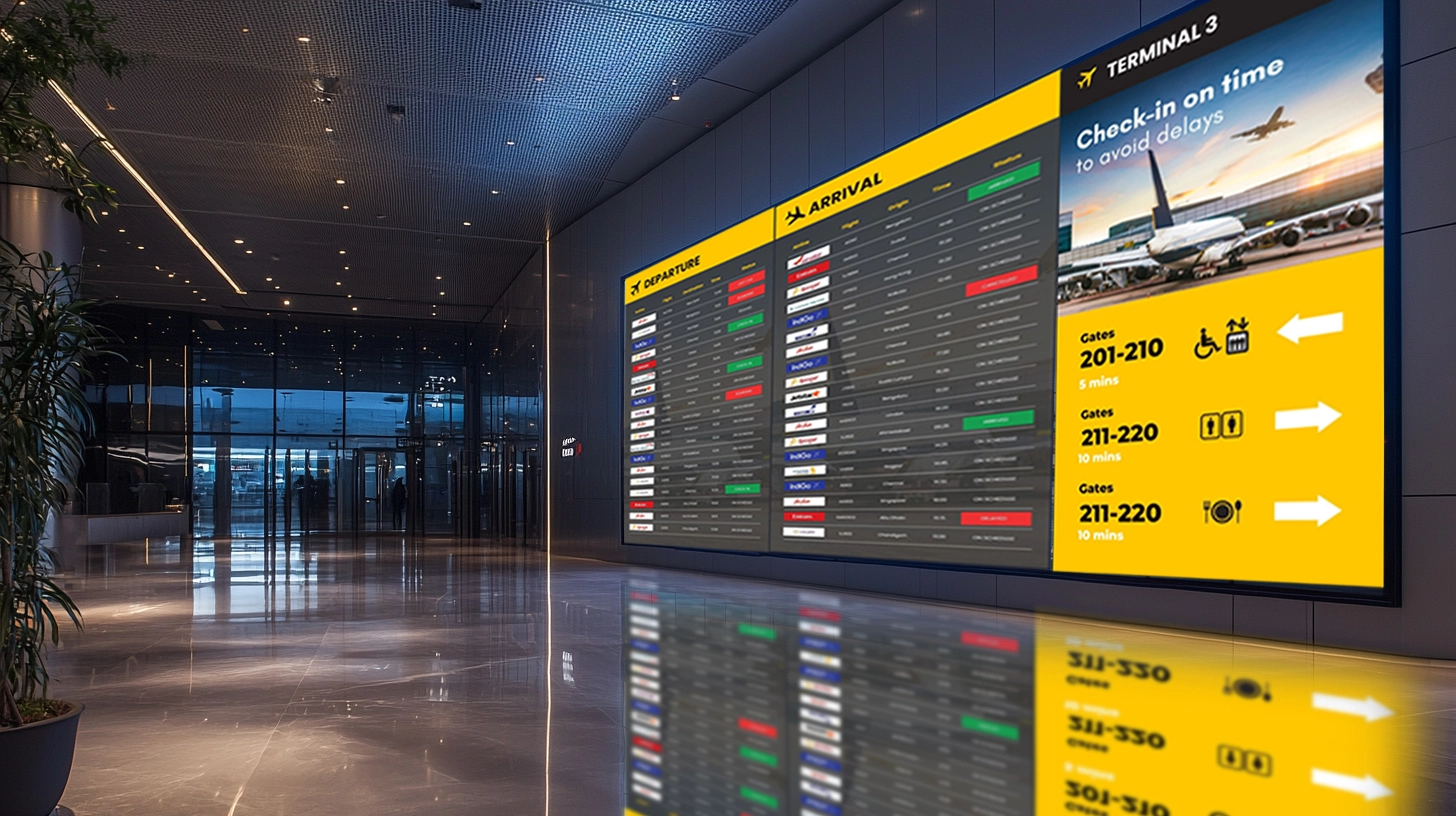
Over the years, retail digital signage was implemented to reduce printed static signages, reduce printing costs and be able to quickly update content. Today, retail digital signage helps stores elevate the customer environment by showing dynamic and real-time content which can be easily updated across multiple locations.
Now the next phase of digital transformation in retail is less about individual screens and more about how those screens connect to other parts of a business. An omnichannel retail experience means that what appears on a digital signage can also respond to:
- Live inventory and updated pricing.
- Customer preferences.
- Current time of day, weather or local events.
- Loyalty status and past purchases.
- Online browsing and app activity.
This customer experience shift is happening because shoppers are becoming increasingly channel-agnostic. The way they shop has changed, if they used to visit a store to purchase something, now they do research online, compare in-store, use mobile apps while shopping and expect consistent experiences across all touchpoints.
According to a study, companies are moving from isolated pilots to enterprise-wide deployments of AI and data-driven tools to understand customer behaviour and optimise store operations.
What “Connected In-store Experience” Means
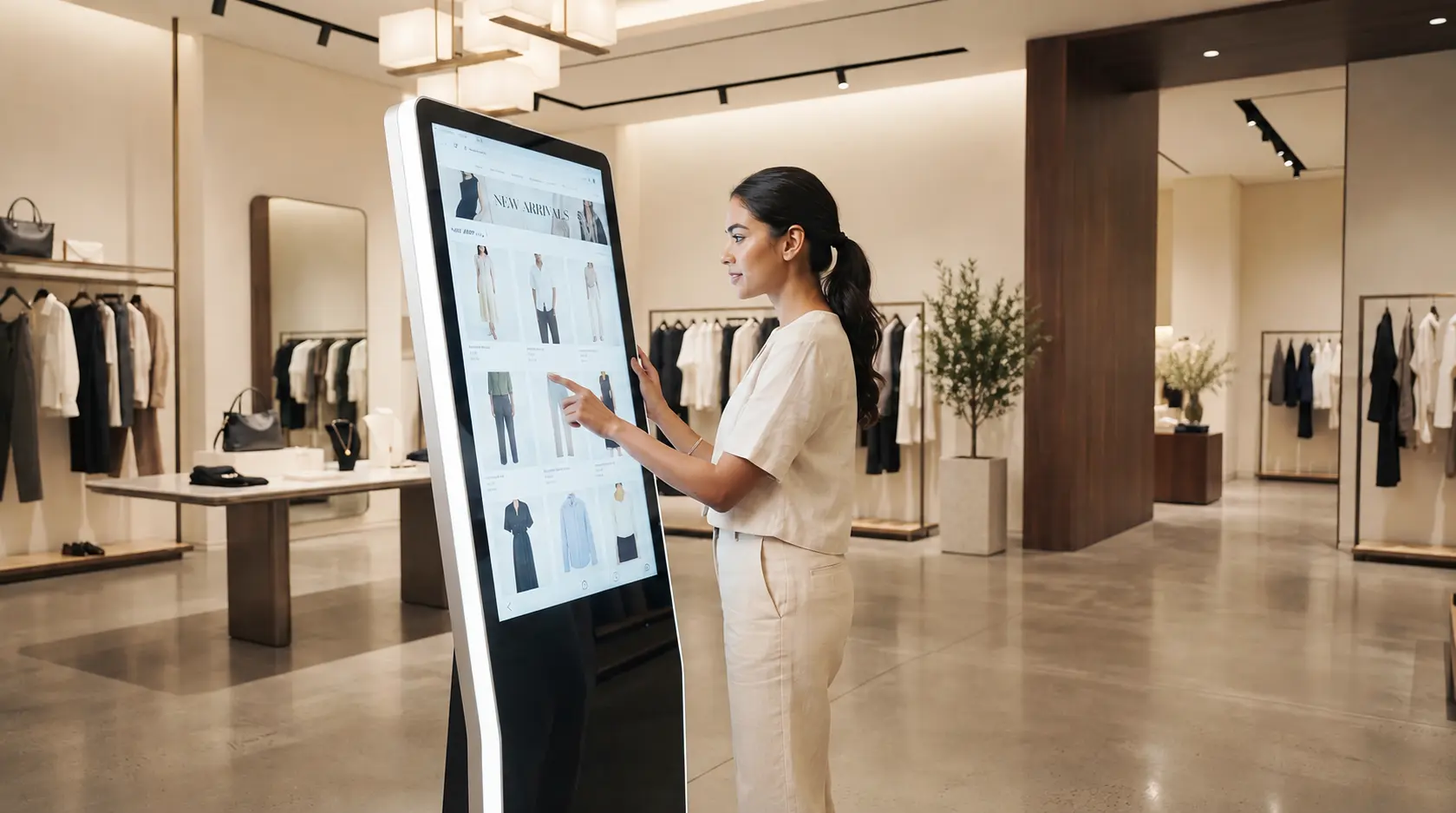
In a connected in-store experience, the physical and digital elements are integrated to support a seamless customer experience. For example, a smart product finder can show customers real-time stocks or product availability since it can be integrated into the store platforms such as POS systems.
This approach is consistent with broader retail trends in 2026, where organisations are combining clean data, trusted brands, omnichannel capabilities and differentiated human experiences to stand out.
Why Indian Retailers Are Making This Move
There are several reasons on why the retail scene in India is being pushed to go beyond basic digital signage and towards an omnichannel retail experience.
Rising consumer expectations
Consumers are already used to personalised, on-demand experiences. Based on research, it suggests that over 94% of Indian consumers expect personalised retail experiences, and 95% are actively using AI-driven tools in their purchase journey.
Competitive Differentiation
According to a study, India’s retail market is the world’s fifth largest and is growing at over 10% annually, with AI reshaping the sector faster than in many other industries. Retailers that build higher “AI quotient” capabilities are redefining the consumer relationship through hyper-personalised recommendations, dynamic pricing and AI-driven supply chains.
Basic retail digital signage is no longer enough to differentiate a brand. Connected experiences that can integrate data, AI and systems can create a more meaningful interaction and premium positioning.
Benefits For Retailers
Moving beyond basic retail digital signage to connected experiences offers several advantages such as:
- More engaging customer experience
Shoppers can benefit from clearer information and smoother journeys. This is important because India’s retail transformation is increasingly about experience rather than just access and AI-assisted systems are already redefining how consumers interact with brands. - Higher conversion and sales
When content is aligned with real-time inventory, prices and real-time conditions, it is more likely to influence purchase decisions. - Better operational efficiency
Connected systems can reduce manual work by automating price updates, promotions and content scheduling. - More actionable insights
Retailers gain a clearer view of how content affects behaviour. Analytics from interactive kiosks can show which messages drive engagement, which creative perform best in different store types and how in-store experiences influence loyalty and repeat visits.
What This Means for Digital Signage Strategy
For retailers still planning their next phase of store technology, the key question is no longer “How many screens should we install?” but “How do these screens connect to our broader customer and operational systems?”
A connected approach usually involves choosing platforms that support integration with POS, CRM, inventory and loyalty systems or designing content that can adapt to different audiences, locations and conditions.
Why STRATACACHE fits this direction
STRATACACHE Asia-Pacific offers a stable, flexible and easy-to-use platform that helps retailers evolve the in-store experience and streamline operations. Its retail solutions such as the smart product finder, interactive kiosk, smart fitting room, wayfinder, smart product finder, feedback system and more can help retailers elevate the customer in-store experience.
Retailers that are ready to create connected in-store experiences will be prepared to improve the customer experience, increase conversion and build long-term loyalty in an increasingly competitive market. To learn more, visit stratacache-apac.com
Frequently Asked Questions
1. What is a connected in-store experience?
A connected in-store experience is where retail digital signage is integrated into other systems such as mobile apps, POS, inventory and other store platforms to create a seamless and personalised shopping experience.
2. Why are Indian retailers moving beyond basic digital signage?
Retailers need to create more engaging experiences where shoppers can get quick information and a seamless experience whether in-store or online.
3. How does connected signage improve customer experience?
It can show relevant content based on inventory, customer data, time and location by integrating online and offline systems.
4. What role does AI play in connected retail?
AI helps personalise content, analyse footfall and behaviour, optimise inventory and pricing which enables a smarter and intuitive retail digital signage displays.
5. Is connected in-store experience only for large retailers?
No. While large chains may lead adoption, cloud-based platforms and modular solutions make it possible for mid-sized retailers to start with targeted use cases such as personalised promotions, interactive kiosks or integrated queue management.
About the Author:
STRATACACHE digital signage experts share their experience and thoughts in our blog to provide practical tips and advice for real-world applications. Our team aims to offer interesting content through a variety of formats including long form articles, video logs, interviews and infographics.